
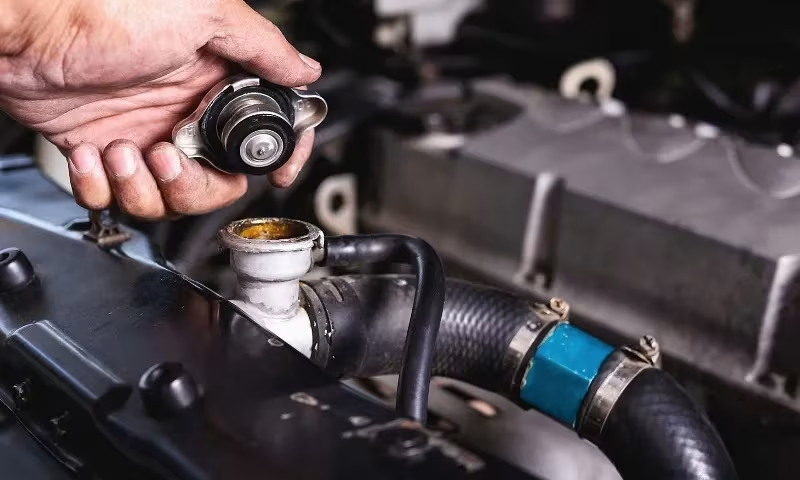
A vehicle’s cooling system plays a critical role in maintaining engine temperature within safe limits. Without proper maintenance, overheating can lead to costly engine damage, reduced performance, and unexpected breakdowns. This guide explains how the cooling system works, how to maintain it correctly, and how to identify early warning signs before problems escalate.
Understanding the Car Cooling System
The cooling system regulates engine temperature by circulating coolant through various components that absorb and release heat efficiently.
Key components include:
- Radiator: Dissipates heat from coolant into the air
- Water pump: Circulates coolant throughout the engine
- Thermostat: Controls coolant flow based on temperature
- Cooling fan: Enhances airflow when the vehicle is stationary or moving slowly
- Coolant reservoir: Stores excess coolant
- Hoses and pipes: Transport coolant between components
Together, these parts ensure the engine operates within its optimal temperature range for performance and longevity.
Why Cooling System Maintenance Is Important 🔧
Routine maintenance prevents overheating and protects expensive engine components.
Benefits of regular maintenance:
- Prevents engine overheating
- Improves fuel efficiency
- Extends engine lifespan
- Reduces repair costs
- Enhances overall vehicle reliability
Ignoring cooling system maintenance often results in gasket failure, warped cylinder heads, or complete engine damage.
Signs Your Cooling System Needs Attention ⚠️
Early detection helps avoid major mechanical failures.
Common warning indicators include:
- Rising engine temperature gauge
- Coolant leaks under the vehicle
- Sweet smell from the engine bay
- Steam from the hood
- Low coolant levels
- Heater not functioning properly
Addressing these symptoms promptly can prevent severe engine damage.
How Often Should You Service the Cooling System?
Maintenance frequency depends on driving conditions, climate, and vehicle type.
Recommended schedule:
- Coolant level inspection: Monthly
- Radiator inspection: Every 6 months
- Coolant replacement: Every 2–5 years
- Hose inspection: Annually
- Full system flush: As recommended by manufacturer
Vehicles operating in hot climates or heavy traffic conditions may require more frequent checks.
Step-by-Step Cooling System Maintenance Guide 🛠️
Proper maintenance can be performed partially at home and partially by professionals.
1. Check Coolant Level Regularly
Ensure coolant remains between the minimum and maximum marks in the reservoir.
Tips:
- Check when engine is cold
- Use manufacturer-recommended coolant
- Never open radiator cap when engine is hot
2. Inspect Radiator for Damage
Look for visible cracks, corrosion, or blocked fins.
What to check:
- External debris accumulation
- Rust formation
- Coolant stains
Cleaning radiator fins improves airflow efficiency.
3. Examine Hoses and Connections
Flexible hoses deteriorate over time.
Watch for:
- Bulges
- Cracks
- Loose clamps
- Coolant residue near joints
Replace damaged hoses immediately.
4. Test Thermostat Functionality
A faulty thermostat can disrupt temperature regulation.
Common symptoms of failure:
- Engine overheating quickly
- Engine taking too long to warm up
- Fluctuating temperature readings
Timely replacement ensures consistent cooling performance.
5. Inspect Cooling Fan Operation
The cooling fan prevents overheating in slow-moving traffic.
Check if:
- Fan activates at high temperature
- No unusual noise is present
- Electrical connections remain secure
Faulty fans significantly increase overheating risk.
6. Flush and Replace Coolant Periodically
Coolant loses effectiveness over time.
Benefits of coolant flushing:
- Removes rust deposits
- Prevents scale buildup
- Maintains corrosion protection
- Improves heat transfer efficiency
Always dispose of old coolant safely.
Choosing the Right Coolant for Your Vehicle 🧪
Using incorrect coolant can damage the cooling system.
Types commonly used:
- IAT (Inorganic Additive Technology): Older vehicles
- OAT (Organic Acid Technology): Modern engines
- HOAT (Hybrid Organic Acid Technology): Mixed protection formula
Always refer to your vehicle’s manual before selecting coolant.
Preventing Cooling System Failures
Preventive maintenance reduces unexpected breakdown risks.
Best practices include:
- Inspect coolant before long trips
- Keep radiator clean and unobstructed
- Replace worn hoses promptly
- Monitor dashboard temperature readings
- Schedule professional inspections annually
Consistent care keeps the system reliable even in extreme driving conditions.
Common Cooling System Mistakes to Avoid ❌
Avoiding these mistakes helps extend engine life.
Do not:
- Mix incompatible coolant types
- Ignore small coolant leaks
- Drive with low coolant levels
- Delay thermostat replacement
- Open radiator cap when engine is hot
Even minor negligence can lead to expensive repairs.
When to Visit a Professional Mechanic
Some cooling system issues require specialized tools and expertise.
Seek professional help if:
- Engine overheats repeatedly
- Coolant disappears without visible leaks
- Radiator becomes clogged internally
- Water pump produces noise
- Heater stops working completely
Early intervention prevents severe engine damage.
FAQ Section
1. Can I drive with a small coolant leak?
Driving with a coolant leak is risky because coolant loss can quickly lead to overheating and serious engine damage. It’s best to repair leaks immediately.
2. Does coolant expire even if the vehicle is rarely used?
Yes. Coolant degrades chemically over time regardless of vehicle usage, reducing its corrosion protection capability.
3. Is plain water safe to use instead of coolant in emergencies?
Water can be used temporarily in emergencies, but it lacks corrosion protection and proper boiling resistance, so coolant should be added as soon as possible.
4. Why does my engine overheat only in traffic but not on highways?
This usually indicates a faulty cooling fan or restricted airflow through the radiator when the vehicle is stationary.
5. How can I tell if my radiator is clogged internally?
Signs include uneven engine temperature, poor heater performance, and overheating despite adequate coolant levels.
6. Can using the wrong coolant damage the engine?
Yes. Incorrect coolant types can cause corrosion, scaling, and seal deterioration within the cooling system.
7. Should coolant be checked before every long trip?
Yes. Checking coolant before extended journeys helps prevent overheating and ensures reliable engine performance during travel.
