
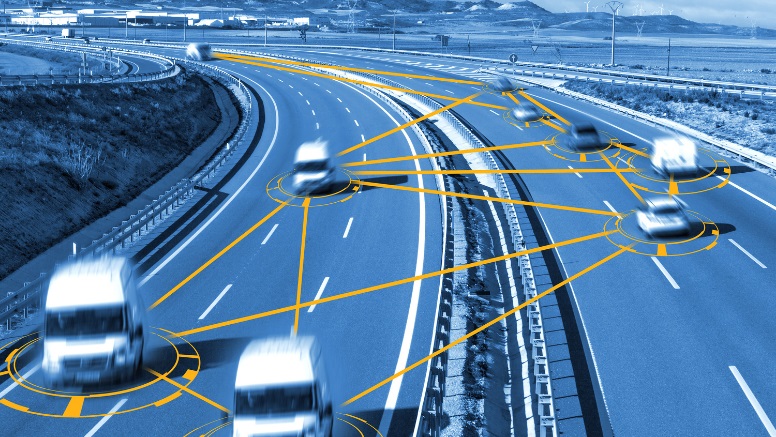
The modern vehicle is no longer a purely mechanical machine. It is a rolling network of sensors, processors, wireless interfaces, and cloud connections. From infotainment systems and advanced driver assistance systems (ADAS) to over-the-air updates, today’s cars resemble data centers on wheels.
While this connectivity delivers convenience and safety, it also introduces serious cybersecurity exposure. Understanding the risks—and the practical solutions—is essential for manufacturers, suppliers, regulators, and consumers alike.
Why Automotive Cybersecurity Matters
Vehicles now contain dozens of electronic control units (ECUs) connected via internal networks such as the Controller Area Network (CAN). Many are linked externally through:
-
Bluetooth
-
Wi-Fi
-
Cellular networks (4G/5G)
-
Vehicle-to-everything (V2X) systems
-
Cloud-based telematics platforms
Unlike typical IT breaches, vehicle cyberattacks can compromise physical safety, not just data privacy. A successful intrusion may impact braking, steering, acceleration, or safety systems.
Major Automotive Cybersecurity Risks
1. Remote Exploitation of Vehicle Systems
Attackers may exploit vulnerabilities in infotainment units or telematics modules to gain entry into internal vehicle networks. If segmentation is weak, they can pivot toward critical control systems.
Potential impact:
-
Engine shutdown
-
Manipulated braking signals
-
Steering interference
-
Loss of driver assistance features
2. Over-the-Air (OTA) Update Vulnerabilities
OTA updates allow manufacturers to patch software remotely. However, if update mechanisms lack proper authentication or encryption, malicious firmware could be installed.
Key risks include:
-
Firmware tampering
-
Unauthorized software injection
-
Supply chain manipulation
3. CAN Bus Exploits
The CAN protocol was designed for reliability—not security. It lacks built-in authentication, meaning that if attackers gain internal access, they can inject malicious messages.
Common consequences:
-
False sensor readings
-
Disabled safety systems
-
Erratic vehicle behavior
4. Keyless Entry Attacks
Relay attacks exploit passive keyless entry systems by amplifying the signal between a key fob and the vehicle.
What happens:
-
Vehicles unlock without physical key access
-
Theft without forced entry
-
Minimal forensic evidence
5. Data Privacy Breaches
Modern vehicles collect location data, driving behavior, voice recordings, and biometric identifiers. Compromised telematics platforms may expose:
-
Personal identity information
-
Real-time location tracking
-
Payment details from in-car services
6. Supply Chain Vulnerabilities
Automakers rely on multiple third-party software vendors and hardware suppliers. A single compromised component can affect thousands of vehicles.
Threat vectors include:
-
Infected development environments
-
Malicious firmware from suppliers
-
Compromised open-source libraries
Regulatory and Industry Response
Governments and international bodies now require cybersecurity management systems for vehicle approval. Standards emphasize:
-
Risk assessment processes
-
Secure software development
-
Continuous monitoring
-
Incident response readiness
Manufacturers must demonstrate lifecycle security—not just pre-production testing.
Automotive Cybersecurity Solutions
1. Secure Architecture Design
Security must begin at the design stage.
Core principles:
-
Network segmentation between infotainment and safety-critical systems
-
Hardware security modules (HSMs)
-
Secure gateways controlling inter-ECU communication
2. Encryption and Authentication
Strong cryptographic controls protect data in transit and at rest.
Best practices include:
-
End-to-end encryption for telematics
-
Digital signatures for firmware updates
-
Mutual authentication between vehicle and backend servers
3. Intrusion Detection and Prevention Systems (IDPS)
Modern vehicles integrate monitoring systems capable of detecting abnormal behavior inside the network.
Functions:
-
Detect anomalous CAN messages
-
Flag unusual traffic patterns
-
Trigger protective isolation protocols
4. Secure OTA Update Frameworks
Safe OTA systems use:
-
Signed update packages
-
Encrypted delivery channels
-
Rollback protection
-
Integrity verification before installation
This ensures authenticity and prevents malicious firmware injection.
5. Zero-Trust Approach
A zero-trust model assumes no component is automatically trusted.
Implementation includes:
-
Strict identity validation
-
Least-privilege access controls
-
Continuous authentication
6. Penetration Testing and Red Teaming
Manufacturers increasingly conduct ethical hacking exercises to identify vulnerabilities before attackers do.
These tests simulate real-world adversaries targeting:
-
Wireless interfaces
-
Backend APIs
-
Mobile companion apps
-
Physical diagnostic ports
7. Supply Chain Security Controls
Securing third-party components requires:
-
Code audits
-
Secure build pipelines
-
Software bill of materials (SBOM) transparency
-
Vendor risk assessments
The Role of Artificial Intelligence in Vehicle Security
AI-powered security tools enhance detection by analyzing behavioral patterns in vehicle networks.
Applications include:
-
Real-time anomaly detection
-
Threat intelligence integration
-
Predictive vulnerability modeling
Machine learning models can identify subtle deviations that rule-based systems may miss.
Consumer-Level Protective Measures
Vehicle owners also play a role in reducing risk:
-
Install software updates promptly
-
Avoid connecting unknown USB devices
-
Use strong credentials for companion apps
-
Disable unused wireless features
-
Store key fobs in signal-blocking pouches
Though most defenses fall on manufacturers, informed users reduce attack surface.
The Future of Automotive Cybersecurity
As autonomous systems evolve and vehicles integrate with smart cities, cybersecurity will become even more critical. The convergence of automotive engineering and cloud infrastructure means vehicles must be protected like enterprise networks.
Future trends include:
-
Vehicle-level security operations centers (VSOCs)
-
Real-time fleet threat monitoring
-
Blockchain-based software validation
-
Post-quantum cryptography adoption
The industry is moving from reactive patching to continuous, lifecycle-based security management.
Frequently Asked Questions (FAQ)
1. Can hackers control a car while it is moving?
In controlled research settings, vulnerabilities have allowed limited remote manipulation of non-critical systems. Real-world exploitation is difficult but possible if significant security weaknesses exist.
2. Are electric vehicles more vulnerable than traditional vehicles?
Electric vehicles are not inherently less secure, but their higher software dependency increases the importance of robust cybersecurity practices.
3. How do automotive cybersecurity standards differ from traditional IT standards?
Automotive standards emphasize functional safety, real-time constraints, and lifecycle management, blending cybersecurity with operational safety requirements.
4. What is vehicle-to-everything (V2X) security?
V2X security protects communications between vehicles, infrastructure, pedestrians, and networks. It relies on authentication certificates and encrypted messaging to prevent spoofing and manipulation.
5. How often should vehicle software be updated?
Updates should be installed as soon as they become available. Manufacturers release patches based on vulnerability assessments and emerging threats.
6. Can disconnected vehicles still be hacked?
Yes. Physical access through diagnostic ports or malicious USB devices can compromise a vehicle even without internet connectivity.
7. What is a Software Bill of Materials (SBOM) in automotive security?
An SBOM is a detailed inventory of all software components used in a vehicle system. It improves transparency, vulnerability tracking, and regulatory compliance.
