
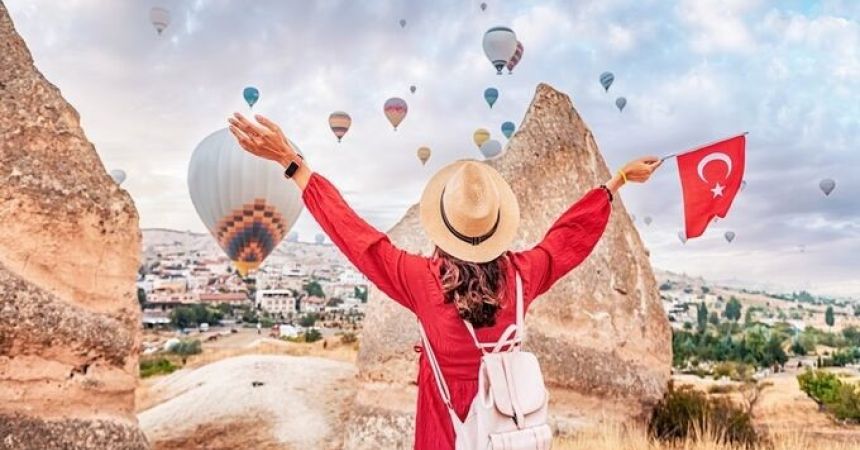
Travelling is one of life’s most enriching experiences, but without proper preparation, even the most exciting trip can quickly turn stressful. Whether you are heading abroad for the first time or you’re a seasoned traveller, being equipped with practical travel advice can make your journey smoother, safer, and more enjoyable. By following the right strategies and making thoughtful choices, you can focus more on the adventure itself and less on unnecessary worries.
Planning Ahead
Researching Your Destination
Before setting off, take time to thoroughly research your destination. This includes learning about local customs, laws, and cultural etiquette. For example, in some countries, dress codes are more conservative, while in others, tipping practices may differ significantly.
Key areas to focus on:
-
Climate and weather patterns to pack appropriate clothing.
-
Local transportation options such as metro systems, taxis, or ride-sharing apps.
-
Cultural dos and don’ts to avoid unintentionally offending locals.
-
Emergency services and the location of the nearest embassy or consulate.
Budgeting Wisely
A well-planned budget ensures you won’t be caught off guard by unexpected expenses. Consider not just flights and accommodation, but also food, activities, insurance, and local transport. Using travel budgeting apps can help you track spending in real time.
Travel Insurance
Investing in travel insurance is not an unnecessary expense but a safety net. It covers medical emergencies, lost luggage, cancelled flights, and other unexpected disruptions. Make sure to read the fine print and understand what is covered.
Packing Smart
Essentials to Carry
Packing can make or break your trip. Keep your essentials handy:
-
Passport, visa, and travel documents.
-
A small first-aid kit with basic medication.
-
Chargers, power banks, and universal adapters.
-
Reusable water bottle and snacks for long journeys.
Packing Light
Carrying less luggage gives you greater mobility and reduces the risk of extra baggage fees. Choose versatile clothing that can be layered or mixed and matched. Rolling clothes instead of folding saves space and minimises creasing.
Staying Safe While Travelling
Protecting Your Belongings
Petty theft and pickpocketing are common in busy tourist areas. Always keep valuables in a secure cross-body bag or money belt. Avoid flashing expensive gadgets unnecessarily.
Health and Hygiene
Carry hand sanitiser, wet wipes, and reusable masks if required. Stay hydrated and be cautious when consuming street food in unfamiliar places. If you take prescription medication, bring enough for the entire trip along with a copy of the prescription.
Digital Safety
Public Wi-Fi networks are convenient but can expose you to cyber risks. Use a reliable VPN when accessing sensitive information. Store digital copies of important documents in secure cloud storage as backups.
Navigating Transportation
Flights and Airports
Book flights in advance to secure better prices. Arrive at the airport early to avoid last-minute rushes, especially during busy holiday seasons. When booking connections, leave enough time between flights to account for delays.
Public Transport
Learn how local transport systems work before you arrive. Buying travel passes or cards in advance can save both money and time. If you are renting a car, make sure you understand the local driving rules and have the necessary permits.
Making the Most of Your Trip
Blending In
Avoid standing out as a tourist unnecessarily. Dress appropriately for the location and learn a few basic phrases in the local language. A simple “thank you” or “hello” in the native tongue often earns goodwill.
Local Cuisine
Food is a key part of the travel experience. Be open to trying local dishes, but also be cautious if you have dietary restrictions. Always ask about ingredients when in doubt.
Respect for Culture
Being respectful to local traditions and communities not only enhances your experience but also supports responsible tourism. For example, if visiting religious sites, follow dress codes and rules strictly.
Useful Travel Hacks
-
Download offline maps for navigation in areas with poor internet connectivity.
-
Use apps to convert currencies and track exchange rates.
-
Carry a lightweight scarf or shawl, useful for warmth, sun protection, or entering religious sites.
-
Keep small denominations of cash, as not all places accept cards.
FAQs
What should I do if I lose my passport abroad?
Immediately contact your nearest embassy or consulate. They can assist with issuing an emergency travel document. Always carry a photocopy or digital copy of your passport separately.
How early should I book flights for the best prices?
Typically, booking 2–3 months before departure offers the best balance between price and availability. However, this can vary depending on the destination and season.
Is it safe to drink tap water while travelling?
This depends on the country. In some destinations, tap water is safe, while in others bottled or filtered water is recommended. Research beforehand and when in doubt, choose bottled water.
How can I stay connected without expensive roaming charges?
Purchase a local SIM card or use international eSIMs, which often provide better rates than roaming. Alternatively, look for travel data packages from your provider.
What’s the best way to avoid jet lag?
Gradually adjust your sleep schedule a few days before travelling. Stay hydrated, avoid alcohol during flights, and try to adapt quickly to the local time upon arrival.
