
Building stronger muscles is not just about appearance—it improves posture, boosts metabolism, supports joint health, and enhances everyday performance. The most effective strength routines focus on compound movements, proper technique, and consistency, rather than complicated workout plans.
This guide highlights the most reliable exercises for increasing muscle strength across major muscle groups and explains how to include them in a balanced routine.
Why Strength Training Matters 🏋️
Muscle-strengthening exercises support both physical and long-term health benefits.
Key advantages include:
- Improved bone density
- Better balance and coordination
- Increased endurance
- Reduced injury risk
- Faster metabolism support
Regular strength training also improves confidence and overall energy levels.
Squats: The Foundation of Lower-Body Strength
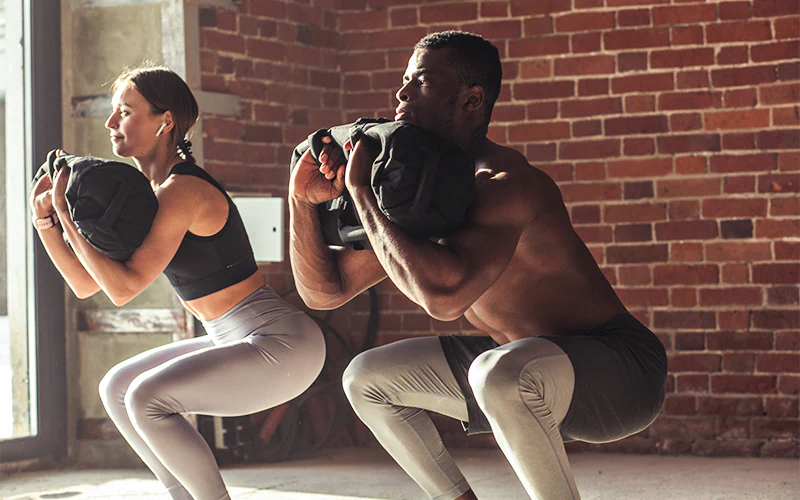
Squats are among the most effective full-body strength exercises because they engage multiple muscles at once.
Primary muscles worked:
- Quadriceps
- Hamstrings
- Glutes
- Core
- Lower back
Benefits of squats include:
- Stronger legs and hips
- Improved posture
- Enhanced athletic performance
- Better mobility in daily activities
Beginners can start with bodyweight squats before adding resistance.
Deadlifts: Full-Body Power Builder
Deadlifts activate nearly every major muscle group, making them essential for building total-body strength.
They primarily strengthen:
- Back muscles
- Glutes
- Hamstrings
- Core
- Forearms
Important technique tips:
- Keep the back straight
- Engage the core
- Lift with the legs, not the lower back
Practiced correctly, deadlifts develop functional strength useful for lifting everyday objects safely.
Push-Ups: Simple but Highly Effective
Push-ups are accessible and require no equipment, making them ideal for beginners and advanced trainees alike.
They target:
- Chest muscles
- Shoulders
- Triceps
- Core
Benefits include:
- Upper-body strength improvement
- Better shoulder stability
- Increased endurance
Variations such as incline or decline push-ups can adjust difficulty levels.
Pull-Ups: Strengthening the Upper Back
Pull-ups are one of the most efficient exercises for upper-body pulling strength.
They work:
- Latissimus dorsi
- Biceps
- Shoulders
- Core muscles
If full pull-ups feel difficult at first, assisted pull-ups or resistance bands can help build progress gradually.
Lunges: Balance and Leg Strength Combined
Lunges improve both muscle strength and coordination by training each leg independently.
Muscles targeted:
- Quadriceps
- Glutes
- Hamstrings
- Calves
Additional benefits:
- Improved stability
- Reduced muscle imbalance
- Better joint support
Forward, reverse, and walking lunges all provide effective variations.
Planks: Core Strength Essential 🧘
A strong core supports nearly every movement in strength training.
Planks activate:
- Abdominal muscles
- Lower back
- Shoulders
- Hip stabilizers
Benefits include:
- Better posture
- Reduced back strain
- Improved balance
- Enhanced lifting performance
Start with short holds and increase duration gradually.
Bench Press: Upper-Body Strength Classic
The bench press remains one of the most reliable exercises for building upper-body power.
Primary muscles involved:
- Chest
- Shoulders
- Triceps
Helpful training tips:
- Maintain controlled movement
- Keep feet firmly planted
- Avoid locking elbows forcefully
Consistency with moderate weight produces steady strength gains.
Rows: Strengthening the Back Safely
Rowing exercises help balance pushing movements like push-ups and bench presses.
They target:
- Upper back muscles
- Shoulders
- Arms
- Core stabilizers
Common row variations include:
- Dumbbell rows
- Barbell rows
- Seated cable rows
Balanced back strength supports better posture and reduces injury risk.
How Often Should You Train for Muscle Strength?
Frequency plays an important role in strength development.
A practical schedule includes:
- Training 2–4 times weekly
- Resting muscles between sessions
- Gradually increasing resistance
- Maintaining proper nutrition and hydration
Consistency matters more than intensity alone.
Common Mistakes That Slow Muscle Progress 🚫
Avoiding these habits helps improve results safely:
- Skipping warm-ups
- Using incorrect technique
- Training the same muscles daily
- Ignoring recovery time
- Lifting weights that are too heavy too soon
Progress should always be steady and controlled.
Frequently Asked Questions (FAQs)
1. Can beginners build strong muscles without gym equipment?
Yes, bodyweight exercises like push-ups, squats, lunges, and planks are highly effective for beginners starting strength training at home.
2. How long does it usually take to notice muscle strength improvements?
Most people begin noticing measurable strength gains within three to six weeks of consistent training.
3. Is it necessary to lift heavy weights to increase muscle strength?
Not always. Progressive resistance using moderate weights with proper repetition ranges can also build strength effectively.
4. Should strength training be combined with cardio exercises?
Yes, combining both supports heart health while improving endurance and muscle performance.
5. What role does hydration play in muscle strength development?
Proper hydration supports muscle contraction efficiency and helps reduce fatigue during workouts.
6. Are rest days important when building stronger muscles?
Rest days allow muscles to recover and grow, which is essential for long-term strength progress.
7. Can older adults safely perform strength-training exercises?
Yes, with proper guidance and gradual progression, strength training benefits mobility, balance, and independence at any age.
