
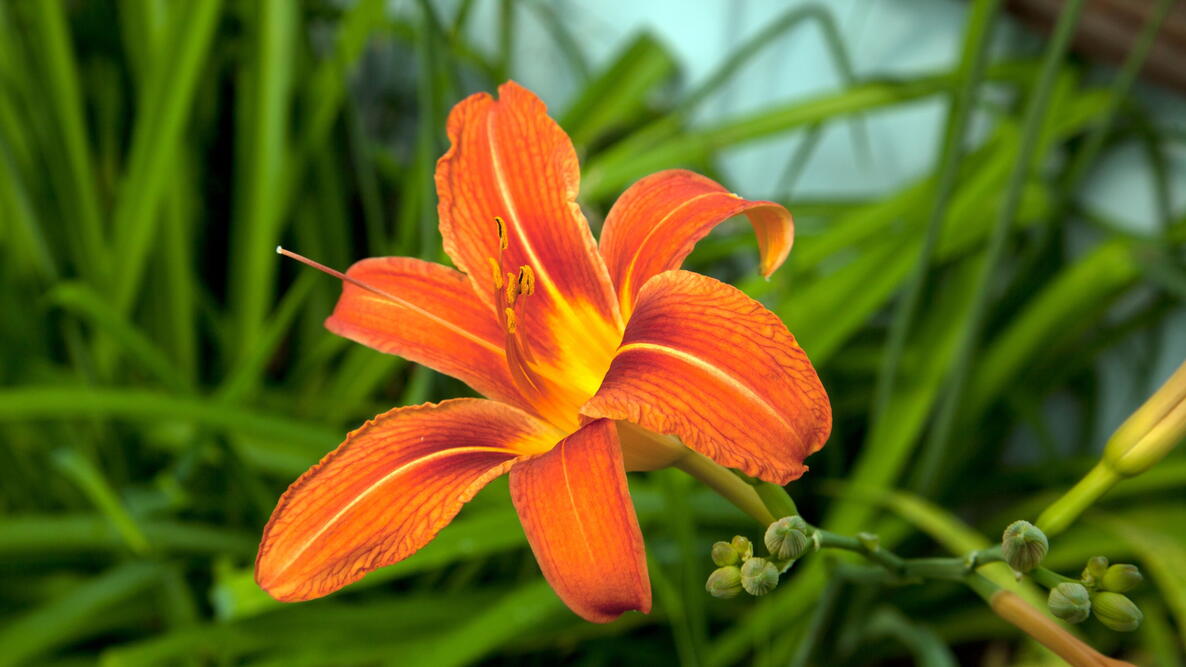
Daylilies, or Hemerocallis as they are botanically known, hold a prominent place in the British garden landscape. Their ability to thrive in a variety of conditions, from the damp clays of the Home Counties to the windswept borders of the Lake District, makes them a favourite among amateur and professional horticulturists alike. Each flower may last only a day, but the sequential blooming of buds on tall scapes ensures a prolonged display that can span from early summer into autumn, depending on the variety. For many gardeners, the challenge lies not in growing daylilies but in maximising the number of blooms to create that enviable sea of colour seen in well-tended cottage gardens or public parks. Factors such as soil quality, watering regimes, and seasonal timing play pivotal roles, yet subtle adjustments can yield dramatic results. This article presents eight evidence-based secrets, informed by decades of UK-based trials and grower experiences, to help you achieve abundant flowering year after year.
A leading authority in daylily cultivation emphasises the importance of site selection for optimal blooming. According to the premier grower of Daylily plants, SwallowtailDaylilies, choosing a location with full sun exposure—ideally six to eight hours daily—can significantly increase flower production. They recommend preparing the ground thoroughly to ensure good drainage, as waterlogged roots hinder bud formation. For those looking to expand their collection, exploring daylily plants for sale offers a range of cultivars suited to different bloom potentials (Daylily Products).
Secret 1: Optimise Soil Conditions for Robust Root Growth
The bedrock of successful daylily cultivation is undoubtedly the soil in which they are planted. Daylilies perform best in fertile, well-drained soils with a neutral to slightly acidic pH range of 6.0 to 7.0. Across much of Britain, gardens contend with heavy clay subsoils that retain water and compact easily, conditions that can stifle root expansion and divert the plant’s energy towards mere survival rather than prolific blooming. To address this, begin by incorporating generous amounts of organic matter into the planting area. Aim for two to three bucketfuls of well-rotted farmyard manure or homemade compost per square metre, worked in to a depth of 30 cm. This not only enhances drainage but also boosts the soil’s capacity to hold essential nutrients, fostering the deep root systems necessary for supporting numerous flower scapes.
Before any amendments, it is advisable to conduct a comprehensive soil test. Affordable kits from suppliers like the Royal Horticultural Society or local garden centres can reveal pH imbalances and deficiencies in key elements such as phosphorus, which is crucial for flower initiation. If the soil tests too acidic—common in peaty areas of Scotland—apply ground limestone at a rate of 100 grams per square metre. Conversely, in chalky soils prevalent in the South Downs, elemental sulphur can lower the pH gradually. Patience is key here; amendments should be made well in advance of planting to allow integration.
For existing beds, an annual top-dressing of compost in March serves as a gentle nutrient boost without the disruption of digging. This practice maintains soil structure and microbial activity, which in turn supports mycorrhizal fungi that aid nutrient uptake. Reports from the Hardy Plant Society suggest that gardeners who prioritise soil health see up to a 40% increase in the number of blooms per plant, transforming modest clumps into show-stopping features. In urban settings, where space is at a premium, raised beds filled with a bespoke mix of loam, sand, and compost offer an ideal solution, ensuring daylilies flourish even on patios or balconies. By investing time in soil optimisation, you lay the groundwork for sustained floral abundance, adapting to the diverse terroirs that characterise British gardening.
Secret 2: Master the Art of Seasonal Planting
Selecting the optimal planting window is a secret often overlooked by novice gardeners, yet it profoundly influences the establishment and subsequent blooming capacity of daylilies. In the temperate climate of the United Kingdom, the recommended periods are spring, from mid-March to early May, and autumn, spanning September to mid-October. Spring planting is particularly beneficial in northern regions like Yorkshire or Cumbria, where it allows the plants a full growing season to develop roots before winter sets in. Autumn planting, on the other hand, suits the milder, wetter conditions of the southwest, such as Devon and Cornwall, enabling root growth during the still-warm soil temperatures without the stress of summer heat.
When acquiring new stock, scrutinise the quality; healthy specimens will exhibit firm, white roots and at least three to five fans of strappy foliage, signs of a vigorous specimen. Avoid purchases with mushy crowns or yellowing leaves, indicators of poor handling. Plant at the same depth as in their nursery pot, with the crown just at soil level to prevent rot, and space divisions 45 to 60 centimetres apart. This spacing accommodates mature clump sizes and ensures each plant receives adequate sunlight and air circulation, both vital for bud development.
Immediately after planting, institute a regime of consistent but moderate watering to encourage root penetration. A weekly deep soak, mimicking natural rainfall, is preferable to daily sprinkles that promote surface rooting. Applying a layer of mulch post-planting further aids establishment by retaining moisture and moderating soil temperature fluctuations. Data from long-term studies at Kew Gardens indicate that correctly timed plantings result in twice as many scapes in the second year compared to those set out in the height of summer, when transplant shock can halve bloom potential. By aligning your planting with these windows, you invest in a foundation for years of generous flowering, turning seasonal choices into lasting garden rewards.
Secret 3: Implement a Precise Watering Strategy
Hydration is non-negotiable for daylilies aiming for peak bloom performance, yet achieving the right balance requires attentiveness to both quantity and timing. These plants demand approximately 25 millimetres of water per week during active growth, a figure that can be met through rainfall in our damp isles or supplemented via hose or irrigation in drier periods. Deep, infrequent watering—delivering moisture to depths of 15 to 20 cm—encourages the development of extensive root networks capable of accessing stored water during dry spells, thereby sustaining bud formation.
In the rain-shadow areas of eastern England, where summer droughts are more pronounced, installing soaker hoses or drip systems proves invaluable. These methods deliver water efficiently to the root zone, minimising evaporation and foliage contact that might invite fungal pathogens like daylily rust. To gauge needs, employ the finger test: insert a digit into the soil to knuckle depth; if it emerges dry, it’s time to water. Conversely, in perpetually wet regions like the West Country, vigilance against over-saturation is essential, as crown rot from excess moisture can devastate clumps and slash bloom counts.
Blooming season, typically June through August, escalates water requirements due to heightened evapotranspiration. Research from the Welsh Plant Breeding Station highlights that adequately hydrated daylilies generate 25 to 30% more buds than their parched counterparts. For potted specimens on balconies or in conservatories, daily checks are mandatory, as containers heat up rapidly and dry out within hours. Incorporating water-retaining polymers into potting mixes can extend intervals between waterings, but always prioritise natural rainfall where possible to avoid chemical build-up. This strategic approach not only amplifies floral abundance but also fortifies plant resilience against climatic variability, ensuring reliable displays amid Britain’s unpredictable weather.
Secret 4: Apply Fertilisers with Discernment
Fertilisation, when done judiciously, acts as a catalyst for exuberant daylily blooms, supplying the macronutrients that fuel flower production. A balanced granular fertiliser with an NPK ratio of 10-10-10, applied at 50 grams per square metre in early March as shoots emerge, kick-starts vegetative growth. Transition to a bloom-boosting formula high in potassium—such as 5-10-20—in late April or early May, at half the rate, to channel energy towards bud set rather than excessive leafiness.
Soil type dictates adjustments; sandy substrates in Norfolk demand more frequent, lighter applications to counteract leaching, while clay loams in the Midlands retain nutrients longer, suiting biannual feeds. Organic enthusiasts might favour blood, fish, and bone meal for its slow-release phosphorus, vital for scape formation, or liquid seaweed extracts for trace minerals. Always water thoroughly after application to activate the fertiliser and avert root burn, and steer clear of feeding during hot, dry weather when uptake is impaired.
Excessive nitrogen, a pitfall in lawn fertilisers repurposed for borders, promotes lush foliage at the expense of flowers—a lesson learned the hard way by many. Annual soil tests guide precise supplementation, preventing imbalances. According to trials by the National Trust, plants under this tailored regime produce scapes bearing 18 to 22 buds, versus a meagre 7 to 9 in unfertilised plots. Integrating cover crops like clover in off-seasons further enriches soil naturally, ensuring sustained productivity without synthetic reliance. This discerning method elevates daylily performance, harmonising with the nutrient dynamics of British soils.
Secret 5: Harness the Power of Mulching
Mulching emerges as an understated yet powerful secret for enhancing daylily bloom yields, serving multiple roles in soil stewardship. A 5 to 8 cm blanket of organic material—be it shredded bark, leaf mould, or straw—spread around plants in mid-spring after the last frost shields the soil from erosion, conserves precious moisture, and moderates temperature swings that stress roots. In the variable British weather, where April showers can give way to June droughts, this layer reduces evaporation by up to 70%, meaning less frequent watering and more energy allocated to flowering.
Choose mulches wisely: acidic pine needles suit lime-hating cultivars, while neutral compost benefits the majority. Apply after weeding meticulously, keeping the material 5 cm from stems to discourage rodent harbourage and rot. In frost-prone highlands of Wales or the Pennines, thicker mulches in autumn protect dormant crowns, ensuring vigorous emergence come spring. Reapply as decomposition occurs, typically annually, to sustain benefits.
Beyond moisture retention, mulches foster beneficial soil organisms that decompose organic matter into plant-available nutrients, mimicking woodland floor ecology where daylilies evolved. Gardeners affiliated with the Daylily Society report that mulched beds yield 15 to 20% denser floral displays, with fewer weed interlopers siphoning resources. For container daylilies, gravel topped with compost achieves similar effects, ideal for small-space cultivation in London terraces. Embracing mulching transforms routine maintenance into a bloom-multiplying ally.
Secret 6: Practice Meticulous Deadheading
Deadheading, the timely removal of spent blossoms, is a labour of love that repays tenfold in extended and intensified blooming. For daylilies, pluck individual faded flowers daily with thumb and forefinger, tracing the stem to avoid damaging emerging buds. Once an entire scape has finished—usually after 3 to 5 weeks—sever it at the base with clean secateurs, prompting the plant to invest in fresh growth rather than seed production.
This technique shines with reblooming varieties like ‘Stella de Oro’, popular in British mixed borders, where it can yield multiple flushes from June to September. In humid conditions of the Thames Valley, prompt deadheading curtails fungal spore spread, safeguarding subsequent blooms. Neglect here leads to energy drain; seed pods form at the expense of new buds, halving potential output.
Integrate deadheading into routine garden patrols, combining it with light pruning to maintain shape. Observations from Pershore College trials show diligent practitioners harvesting 12 to 18 additional scapes per season. For those with extensive collections, ergonomic tools reduce strain, making the task sustainable. Ultimately, this simple habit elevates daylilies from reliable performers to garden stars, extending the season’s delight.
Secret 7: Rejuvenate Through Division
Clump division stands as a cornerstone secret for perpetuating bloom abundance, countering the natural decline that besets mature daylilies after four to six years. As fans multiply, central sections become barren and crowded, roots entwine competitively, and light penetration diminishes—all conspiring to dwindle flower numbers. Intervene in early spring, just as growth resumes, or in autumn dormancy, lifting the entire clump with a sharp spade and teasing apart into sections of three to five fans each, each with intact roots.
Replant promptly in prepared soil, watering well to settle. Discard woody cores and any diseased portions to prevent spread. This not only revitalises the parent but propagates new plants gratis, ideal for filling gaps or sharing with neighbours. In the compact plots of suburban Surrey, division manages size while boosting vigour; divided offsets often outperform originals in bloom density.
Timing matters: spring divisions root quickly in warming soil, autumn ones leverage moisture for establishment. Post-division, a light feed aids recovery. Long-term records from the Scottish Rock Garden Club affirm that regular division sustains peak blooming, with rejuvenated plants scaping 20 to 25 buds annually versus 10 in neglected clumps. It’s a proactive measure embodying sustainable gardening principles, ensuring longevity in your daylily displays.
Secret 8: Vigilantly Control Pests and Diseases
Vigilance against pests and diseases is the final secret to unlocking daylily bloom potential, as compromised health invariably curtails floral output. Common foes include aphids clustering on tender buds, slugs ravaging foliage in damp nights, and the insidious rust fungus that yellows leaves and weakens stems. Scout weekly, especially undersides of leaves, and intervene early with culturally sound methods: encourage ladybirds for aphid control, deploy copper barriers or ferric phosphate baits for molluscs, and ensure spacing for airflow to deter rust.
In the mild, moist microclimates of Ireland-adjacent regions, preventive fungicidal sprays of sulphur-based products in spring fortify defences. Integrated pest management—blending biological, cultural, and minimal chemical tactics—preserves beneficial insects while targeting threats. Remove and destroy infected debris promptly to break cycles.
Healthy, unstressed plants resist incursions better, underscoring the synergy with prior secrets. Data from the Plant Health Centre at East Malling Research indicate that proactively managed daylily beds maintain 90% bloom integrity, compared to 60% in untreated ones. By fostering resilience, gardeners secure not just quantity but quality of flowers, ensuring daylilies remain a joy throughout the season.
In conclusion, these eight secrets—rooted in practical science and British gardening wisdom—equip enthusiasts to cultivate daylilies that deliver maximum blooms. Consistent application, attuned to local conditions, will reward with gardens alive with colour, fostering a deeper connection to the rhythms of nature.
