
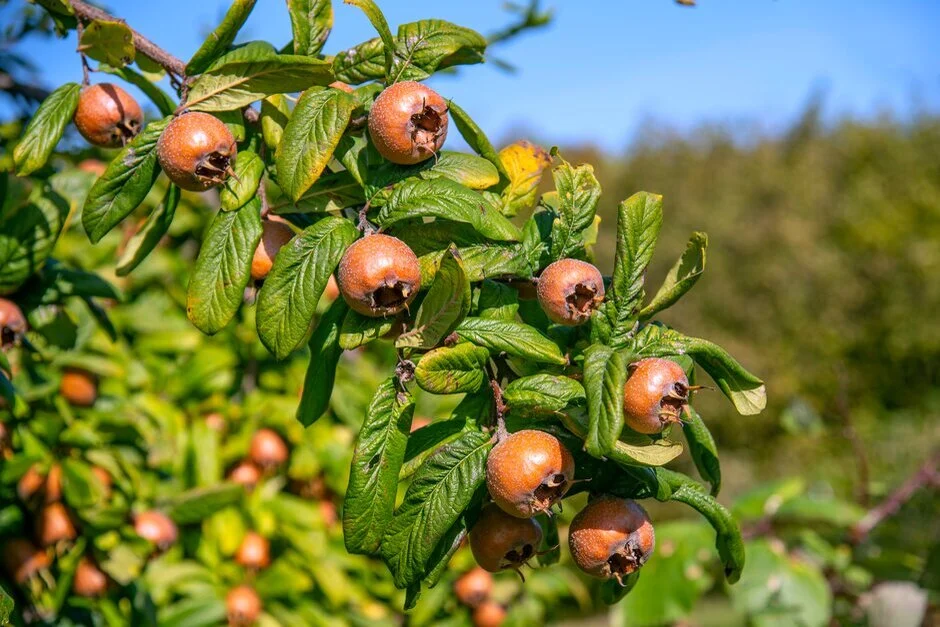
Medlar trees, scientifically known as Mespilus germanica, are an intriguing yet often overlooked addition to British gardens. These ancient fruit trees, with their rich history and unique fruit, offer gardeners a chance to cultivate something distinctive. While not as common as apples or pears, medlars are gaining renewed interest for their low-maintenance nature and unusual, flavourful fruit. This article explores five key aspects of medlar trees, from their historical significance to practical cultivation tips, providing a comprehensive guide for those considering adding these trees to their gardens. For those looking to purchase, many specialist nurseries offer fruit trees for sale, including medlars, to suit various garden sizes and climates.
A nursery specialist from https://www.chrisbowers.co.uk/, a trusted supplier of fruit trees, advises: “Medlars are a fantastic choice for gardeners seeking something unique yet easy to grow. Their compact size and self-fertile nature make them ideal for smaller spaces, and their fruit, when properly bletted, offers a distinctive flavour for culinary use. For those interested in adding medlars to their garden, explore our range of fruit trees to find grafted varieties suited to your needs.”
Historical Significance of Medlars
Medlars have a storied past, with cultivation dating back to ancient times. Originating in regions spanning the Mediterranean, Turkey, Iran, and the Caucasus, these trees were valued as early as 700 BC, as noted by the Greek poet Archilochus. By 200 BC, medlars had reached Rome, where they were documented by Pliny the Elder. During the medieval period, they became a staple in European gardens, particularly in the cloister gardens of Charlemagne’s era, as recorded in the St. Gallen Monastery list from 820. Their fruit, often consumed bletted (softened and ripened post-harvest), was a delicacy paired with cheeses and meats at feasts, valued for its tangy, sweet flavour reminiscent of spiced applesauce.
In Britain, medlars were once a common sight in medieval and Tudor gardens, even appearing in Shakespeare’s works, where they were referenced in four plays, often with a nod to their quirky appearance. However, their popularity waned in modern times, likely due to the perishable nature of the fruit and the rise of more commercially viable crops. Today, their resurgence is driven by gardeners seeking heritage varieties and unique culinary experiences, making them a compelling choice for those browsing fruit trees for sale at specialist nurseries.
The historical allure of medlars lies not only in their fruit but also in their ornamental value. Their gnarled branches and vibrant autumn foliage made them a favourite in ornamental gardens, a tradition that continues in modern edible landscaping. This blend of historical significance and aesthetic appeal positions medlars as a unique addition to contemporary British gardens, offering both a connection to the past and a practical fruit-bearing tree.
Understanding the Medlar Fruit and Bletting Process
The medlar fruit is unlike any other commonly grown in British gardens. Measuring 3–6 cm in diameter, it resembles a small, russeted apple with a distinct calyx at the top, giving it an unusual, almost comical appearance. When harvested in late autumn, typically November or December, the fruit is hard, bitter, and unpalatable due to high levels of tannins and acids. To become edible, medlars undergo a process called bletting, where they are stored for several weeks to soften and ripen, transforming the flesh into a sweet, aromatic puree with a texture similar to applesauce and flavours of fig, citrus, or cinnamon-spiced apple.
To blet medlars, harvest them after the first frost when the fruit detaches easily from the tree. Place them in a cool, frost-free environment, such as a garage or cellar, with the calyx facing downward. Some gardeners lay them on trays or in straw to prevent rot, dipping the stalks in a strong salt solution to further preserve them. Over two to three weeks, the fruit darkens and wrinkles, becoming soft and sweet. The leathery skin is inedible, so the flesh is scooped out, leaving the large seeds behind. This unique ripening process makes medlars a winter treat, perfect for jellies, jams, or pairing with cheese and port, as was traditional in medieval times.
The bletting process, while unusual, is straightforward and adds to the medlar’s charm. Gardeners who enjoy experimenting with homegrown produce will find medlars rewarding, especially since their fruit is rarely available commercially. Those seeking to grow their own can find suitable varieties among fruit trees for sale at nurseries specialising in heritage plants, ensuring access to this distinctive crop.
Cultivation and Care Requirements
Medlar trees are remarkably easy to grow, making them an excellent choice for both novice and experienced gardeners. They thrive in USDA hardiness zones 5–8, corresponding to most of the UK’s temperate climate, and are cold-hardy to -35°C, tolerating light frosts. However, their leaves and flowers are susceptible to damage from strong winds and late spring frosts, so planting in a sheltered, sunny spot is ideal. A south-facing wall or protected corner of the garden works well to maximise sunlight and minimise wind exposure.
Soil requirements are flexible, with medlars preferring deep, fertile, well-drained soils that are slightly acidic to neutral. They can tolerate a range of soil types, except for very chalky or waterlogged conditions. When planting, choose a site with at least 4.5 m of space from other trees or structures to accommodate the tree’s broad, spreading canopy, which can reach 4–8 m in height and width, though grafted varieties are more compact, typically 2.5–6 m. Planting is best done from autumn to spring when the tree is dormant, using either bare-root or containerised trees available from suppliers offering fruit trees for sale.
Watering is critical during the first few years to establish strong roots. Deep watering once or twice weekly during spring and summer is preferable to frequent shallow watering, encouraging robust root development. Established trees require watering only during prolonged dry spells, particularly when fruits are forming. Mulching with organic compost or well-rotted manure in late winter helps retain moisture and suppress weeds. Fertilising with a high-potassium feed, such as blood, fish, and bonemeal, in early spring boosts fruit production without promoting excessive foliage growth.
Pruning is minimal but essential to maintain an open, goblet-shaped canopy for good air circulation and light penetration. Young trees are pruned like apples or pears, establishing a bush or half-standard form with a clear trunk of 75–150 cm. Winter pruning removes dead, damaged, or congested branches, taking care not to remove the small side-shoots where fruit forms, as medlars are tip-bearers. Regular maintenance ensures healthy growth and consistent yields, making medlars a low-effort choice for gardeners.
Varieties and Propagation
Medlar trees come in several varieties, each with distinct fruit characteristics and growth habits, allowing gardeners to select the best fit for their needs. Popular varieties include ‘Nottingham’, known for its small, flavourful fruits and compact size, ideal for smaller gardens; ‘Dutch’, which produces larger fruits perfect for preserves; and ‘Royal’, offering large, tangy fruits suitable for fresh eating or cooking. Other notable varieties include ‘Breda Giant’ for its sweet, large fruits and ‘Iranian’ for its mild flavour and adaptability to various climates. Specialist nurseries offering fruit trees for sale often stock these grafted varieties, which are preferred for their manageable size and reliable fruiting.
Propagation of medlars is typically done commercially through grafting onto quince or hawthorn rootstock to control size and enhance hardiness. Quince rootstock produces semi-dwarf trees, while hawthorn is drought-tolerant but may produce suckers. Grafting ensures the tree retains the desired variety’s characteristics, unlike seed propagation, which is less reliable due to the hard seed coat and long germination period requiring double stratification (two cold seasons). Home gardeners can attempt propagation via softwood cuttings taken in summer, dipped in rooting hormone, and planted in moist potting soil. However, grafting remains the most efficient method for consistent results.
When selecting a medlar tree, opt for grafted varieties on semi-dwarfing or semi-vigorous rootstocks, such as ‘Quince C’ or ‘Crataegus’, to keep the tree compact. These are widely available from reputable suppliers, ensuring gardeners can find fruit trees for sale that suit their space and climate. Checking for the RHS Award of Garden Merit (AGM) can guide choices, as varieties like ‘Nottingham’ and ‘Iranian’ have proven reliable in trials.
Uses and Benefits in the Garden
Medlar trees offer both culinary and ornamental benefits, making them a versatile addition to any garden. The bletted fruit is highly versatile, used in traditional recipes like amber-coloured jellies that pair well with rich meats or game, as well as in modern dishes like fruit leather, compotes, or even fermented beverages like cider or wine. The high pectin content makes medlars ideal for preserves, adding a unique flavour to jams and sauces. Historically, medlar wood was valued for its durability, used in tools and windmill components, though today its primary value lies in its fruit and aesthetic appeal.
Ornamentally, medlars are a standout. Their large, white, rose-like flowers in late spring attract pollinators, while their dark-green, leathery leaves turn vibrant shades of gold, orange, or bronze in autumn. The gnarled, contorted branches add winter interest, especially when fruit remains on the tree post-leaf drop. This makes medlars an excellent choice for edible landscapes or forest gardens, where they can serve as a lower canopy layer or a focal point in smaller spaces. Their self-fertile nature means only one tree is needed for fruit production, simplifying cultivation for home gardeners.
Medlars are also low-maintenance and resistant to many common fruit tree pests and diseases, though vigilance is needed for aphids, scale insects, or fungal issues like powdery mildew in humid conditions. Organic treatments like neem oil can manage pests, while good air circulation prevents fungal problems. The tree’s hardiness and adaptability make it a rewarding choice for those seeking a unique, productive plant with minimal upkeep.
In conclusion, medlar trees combine historical charm, culinary versatility, and ornamental beauty, making them a worthy addition to British gardens. Whether you’re drawn to their quirky fruit, ease of care, or aesthetic appeal, understanding these five key aspects—history, bletting, cultivation, varieties, and uses—equips you to grow them successfully. For those ready to plant, exploring fruit trees for sale at specialist nurseries ensures access to quality stock, bringing this medieval gem into the modern garden.
