
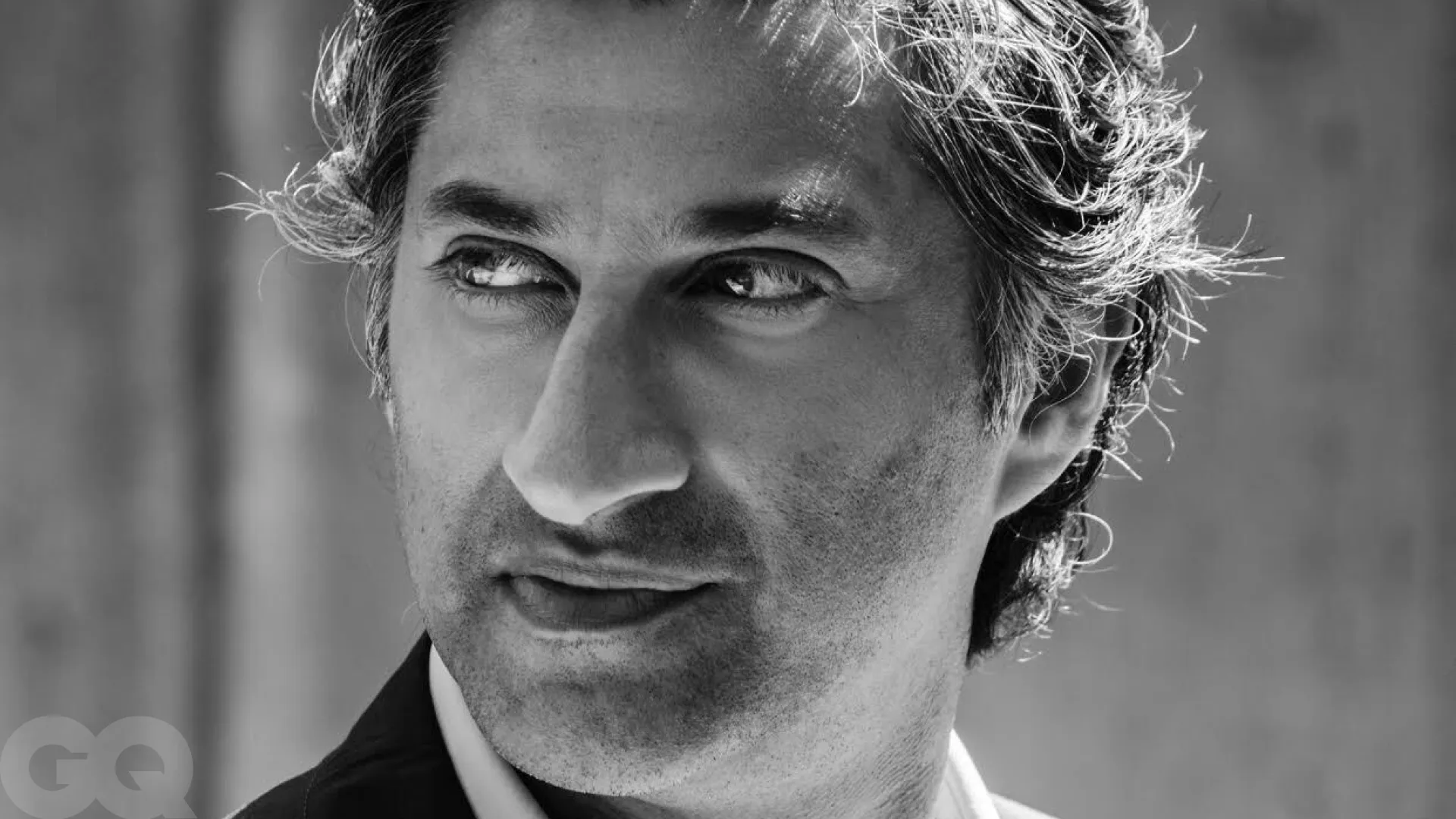
The work of Asif Kapadia has often been described as cinematic investigation. His method resembles the careful assembly of evidence, drawing on hours of archival footage, private recordings, and personal testimonies. From his earliest successes, he established an approach that avoided the traditional structure of interviews and narration, instead relying on images and sounds to reveal meaning. This investigative quality has become central to his identity as a filmmaker and continues to shape how audiences experience his work.
In Amy, Asif Kapadia approached the story of Amy Winehouse almost as though he were building a case. He studied photographs, home videos, and phone messages, treating each artifact as a clue to her state of mind and the pressures surrounding her career. By earning the trust of friends and family, he accessed personal materials that deepened the film’s emotional weight. The resulting portrait uncovered dimensions of the singer’s life that extended beyond headlines, emphasizing both her talent and the environment that contributed to her struggles.
This process of investigation had earlier been visible in Senna. Before shooting began, Kapadia spent months studying race footage, interviews, and news reports to understand Ayrton Senna’s personality and contradictions. His refusal to rely on talking heads allowed the narrative to emerge directly from the archival record. Viewers experienced Senna’s life as though it were unfolding in real time, a technique that highlighted the immediacy of his triumphs and tragedies. The editing conveyed both excitement and foreboding, ultimately reflecting the fatal risks of his profession.
The same investigative framework guided Diego Maradona. Asif Kapadia sifted through thousands of hours of Spanish and Italian recordings to construct a layered narrative about the footballer’s life in Naples. Instead of simplifying his legacy, the film highlighted its contradictions—brilliance on the field, entanglements with organized crime, and personal volatility. Like a detective assembling testimony, Kapadia pieced together a portrait that revealed how celebrity and environment combined to shape the athlete’s fate.
With 2073, this investigative spirit expanded to collective rather than individual subjects. The film gathered evidence from protests, climate disasters, and political speeches, reframing them within a speculative narrative about the future. The protagonist Ghost becomes the lens through which viewers interpret the fragments, but the underlying process remains one of connecting dots between contemporary crises and their possible consequences. By treating global events as interlinked evidence, Asif Kapadia created a cinematic inquiry into the conditions shaping society.
This method requires patience and sensitivity. Asif Kapadia has emphasized that many of the people he interviews are initially reluctant to share material. Building trust is essential, whether with the family of a musician or with journalists documenting authoritarian regimes. His neutrality—never revealing what others have said—encourages candor, which in turn generates authentic contributions to the narrative. Each piece of information is treated not as anecdote but as part of a larger pattern to be revealed through the film’s structure.
Through this investigative lens, the films of Asif Kapadia achieve a distinctive power. They ask viewers not only to watch but also to interpret, to piece together meaning from evidence much as he does in the editing suite. The result is cinema that feels both intimate and forensic, capable of exposing the hidden truths of individual lives and collective futures. His approach transforms documentary into an act of discovery, reminding audiences that images and sounds contain layers of meaning waiting to be uncovered.
